About The Project
Young people in Serbia want to make a difference. Most of the time, what stops them isn't a lack of motivation — it's not knowing where to begin. This project was our attempt to change that.
Where it started
The idea behind EKOYouth for Green Action was simple. Young people across Serbia care about their environment. They show up to cleanups, they share content online, they talk about wanting to do more. But when it comes to actually organizing something, the whole thing can feel impossibly complicated. Who do you call? What permits do you need? How do you get people to show up and stay motivated?
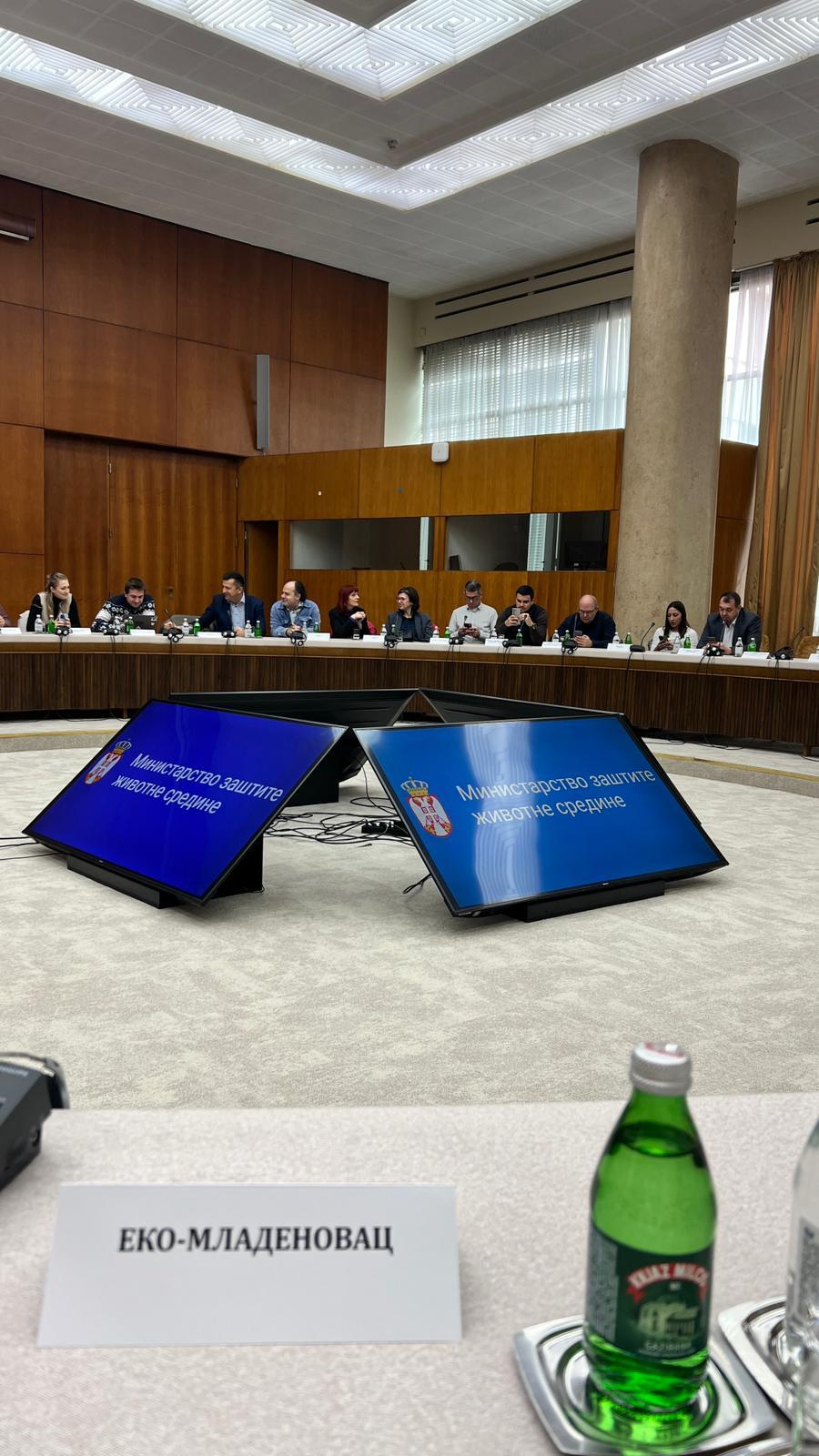
We decided to build a program that answered those questions directly. With support from the Ministry of Environmental Protection of the Republic of Serbia, we ran a four-month program focused on one thing: giving young people the practical knowledge and confidence to lead their own environmental initiatives from start to finish.
What the program looked like
We started with a promotional campaign to spread the word through local channels, social media, and direct outreach to schools and organizations. The response was encouraging.
The core of the program was a two-day seminar on Avala Mountain at the end of January. Participants were between 15 and 30 years old — a mix of high school students, university students, and people already volunteering in informal groups. Three workshops ran across the two days. One on the values and ethics of volunteering. One on the practical side of planning and running an environmental action. And one on something people often underestimate: how to actually communicate with institutions, talk to local media, and bring a community on board.
It wasn't a passive experience. People discussed, debated, and by the end of the seminar, every participant had produced a concrete draft plan for their own local initiative.
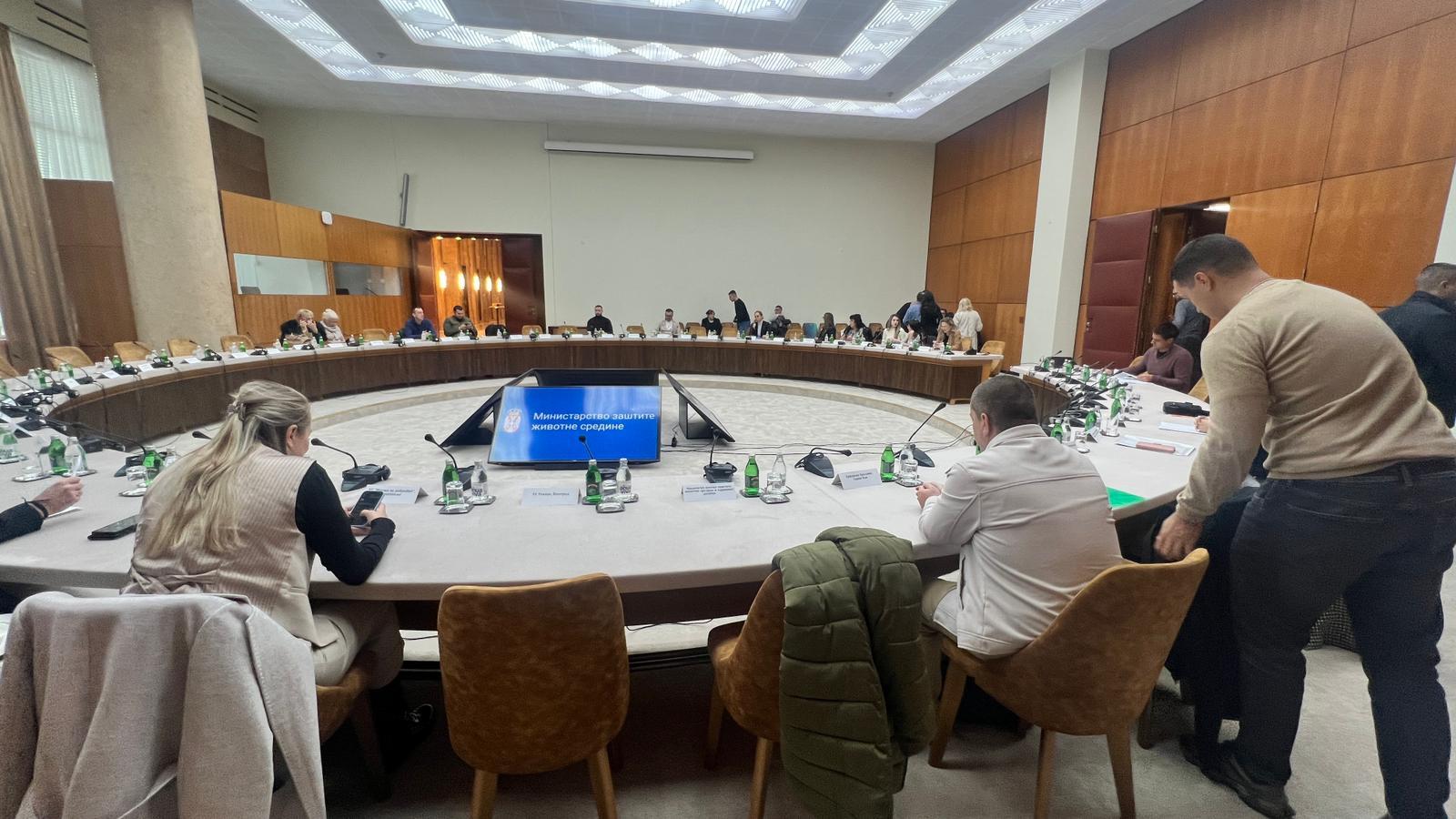
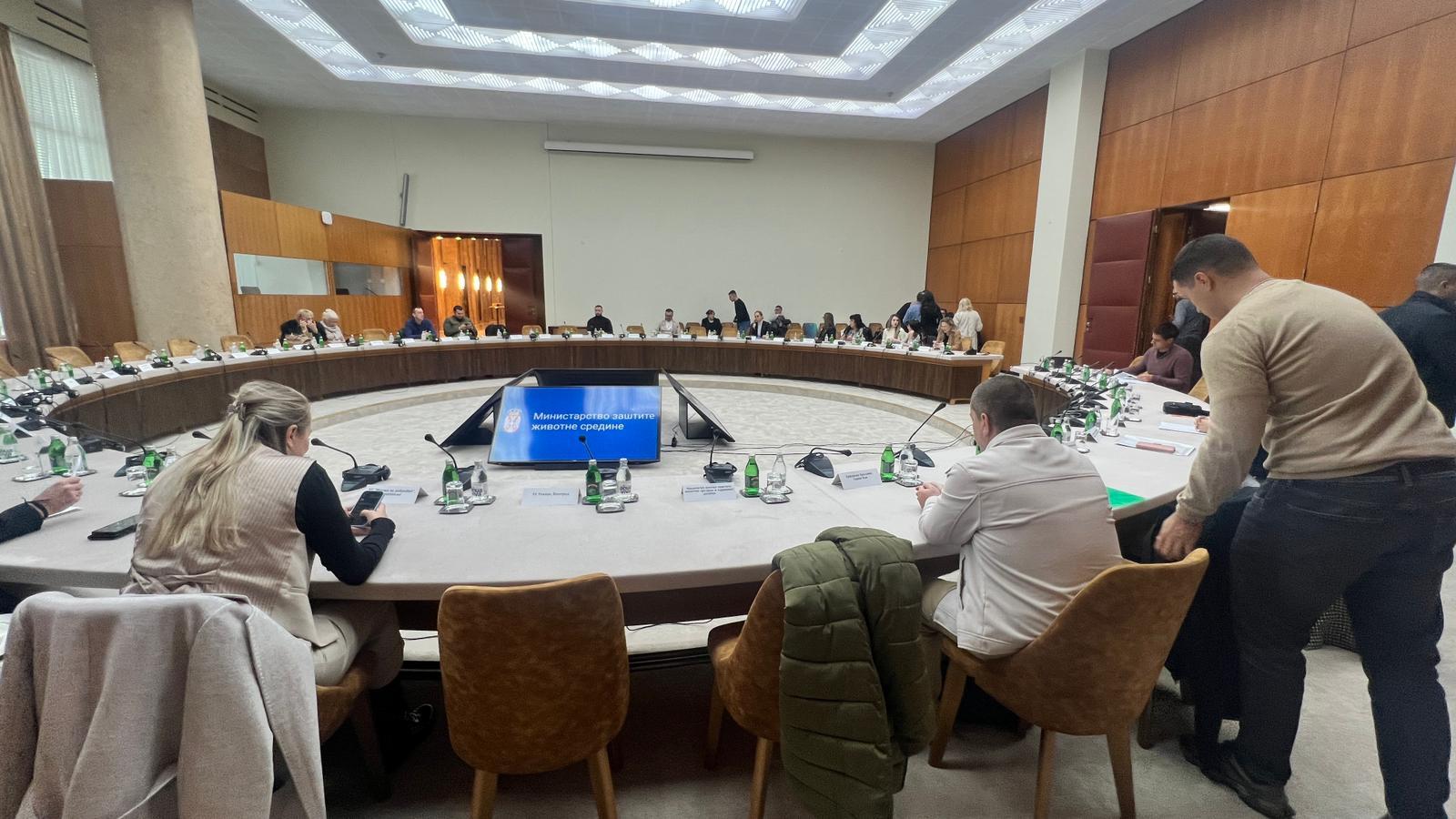
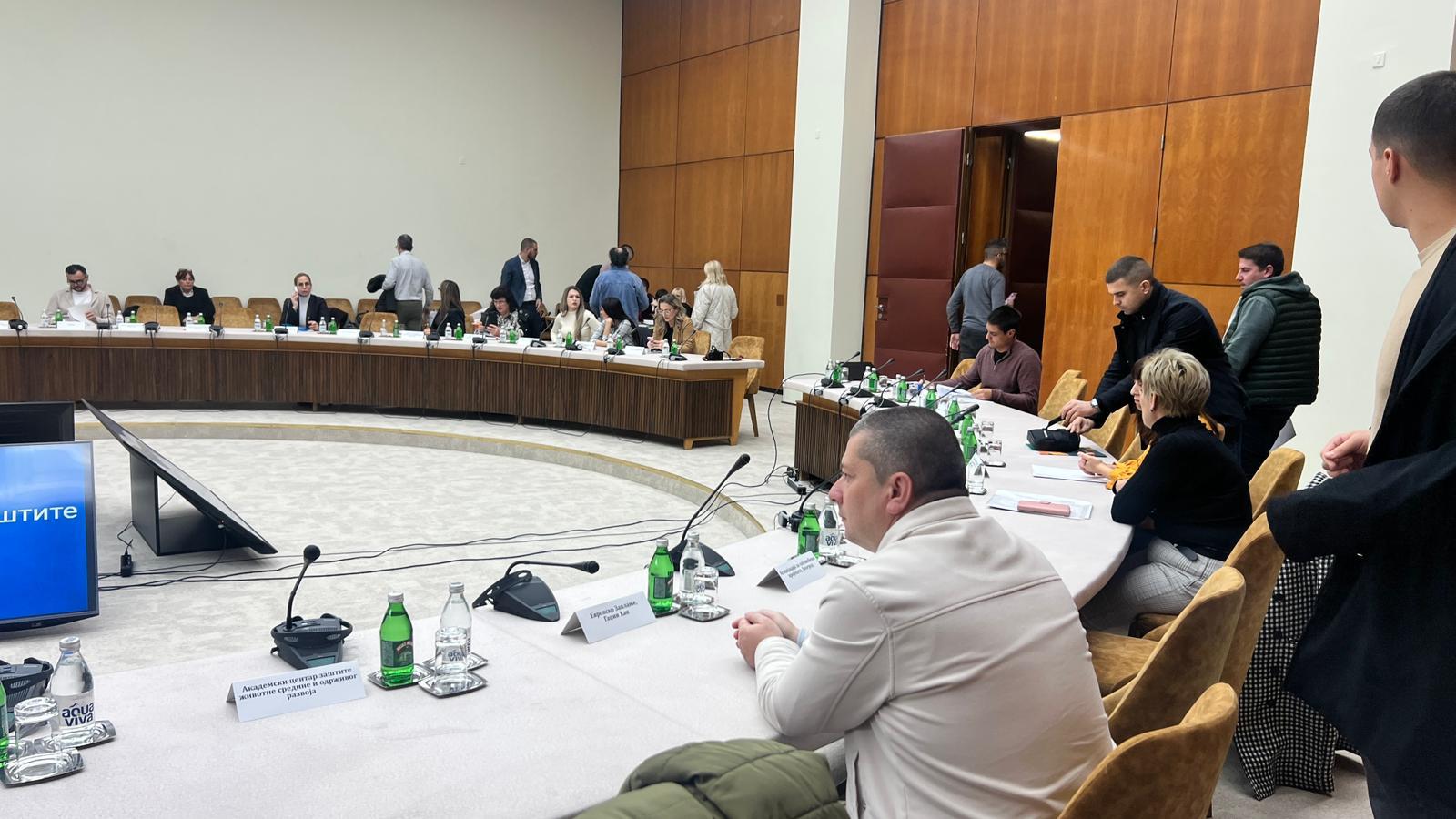
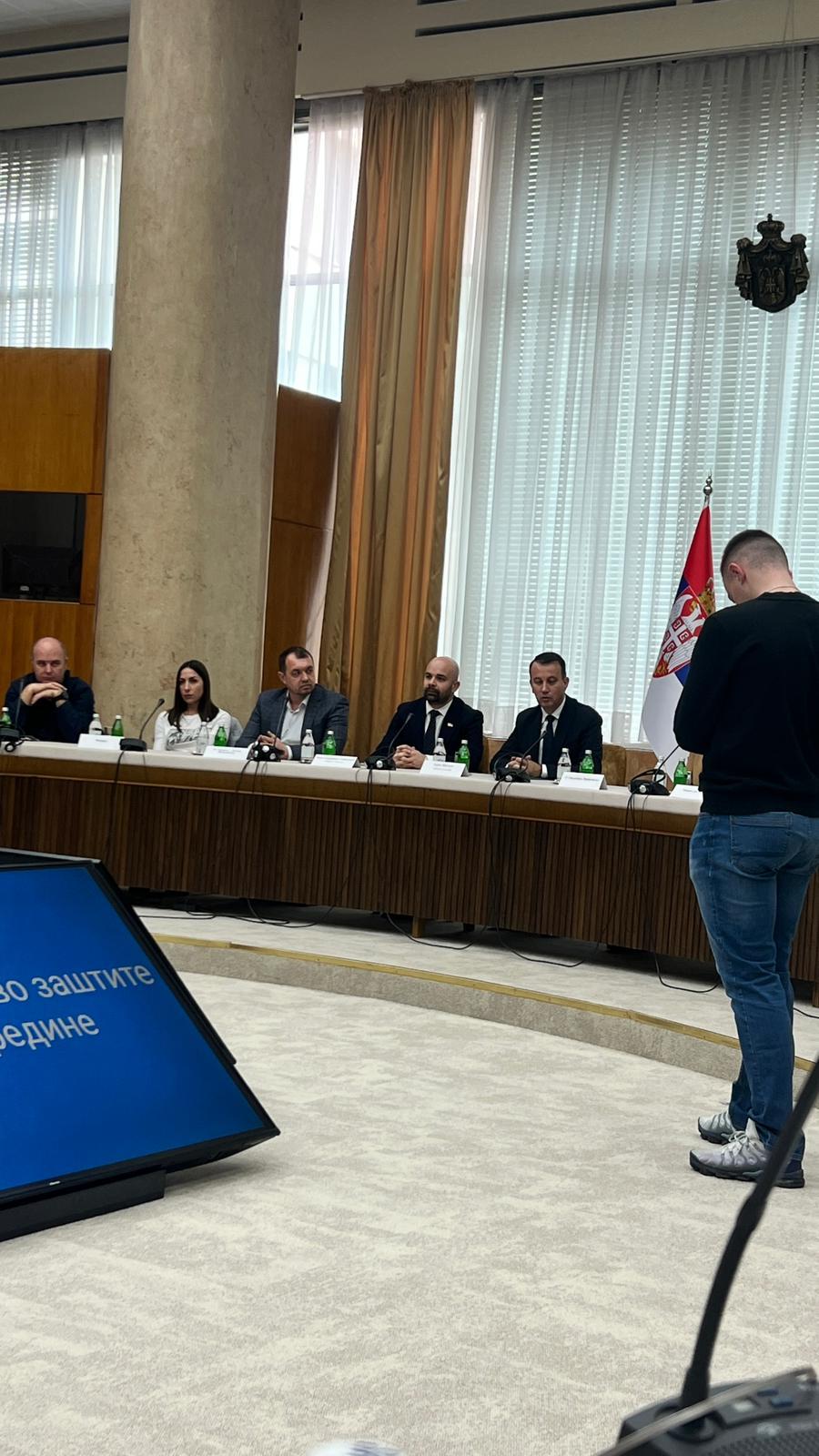
The program closed with a final event where participants presented their ideas, caught up with each other, and started making plans for what comes next.
"Young people are becoming not just participants, but agents of change. That was the goal from day one."
Mladen Todorović, President of EKO-Mladenovac
What people learned
The five areas the program covered were chosen because they reflect what actually gets in the way of running a successful initiative:
- The values and ethics of volunteering, and why that foundation matters more than most people expect
- How to plan and run an environmental action from the first idea all the way through to evaluation
- How to communicate with institutions, engage media, and work with the community around you
- How to turn a vague goal into a concrete, actionable plan
- How to work within the existing formal system without needing to register an organization
One unexpected highlight: during the informal evening part of the seminar, a visitor from Africa who happened to be staying in Serbia joined the group. Nobody planned it. But his perspective on activism and community organizing ended up being one of the most talked-about moments of the whole two days.
The handbook
One of the concrete outputs of the project is a free handbook called "A Guide to Planning and Implementing Environmental Volunteer Actions." Eight chapters, plain language, real examples. It walks through everything from setting a goal and getting the necessary permits, to keeping volunteers motivated, documenting what you did, and writing up a report for whoever funded you.
It was written to be useful to someone with zero prior experience.
What stays after the project ends
A lot of environmental projects produce one good day and then fade. We tried to build something with more staying power.
Participants started planning their own local initiatives before the seminar was even over. The informal network that formed on Avala is still active. And EKOYouth remains available as a formal partner for any group that has an idea and wants support turning it into a fundable project.
Formally, the project wrapped up in February 2026. In practice, it is still going.
If any of this sounds like something you want to be part of, or if you have been sitting on an idea and just need a nudge, get in touch. We are always happy to talk.